E-Mail: overseas@onosokki.co.jp

Select your region & language

Global

Region

Added "Thermal Management" to benchmarking report sales

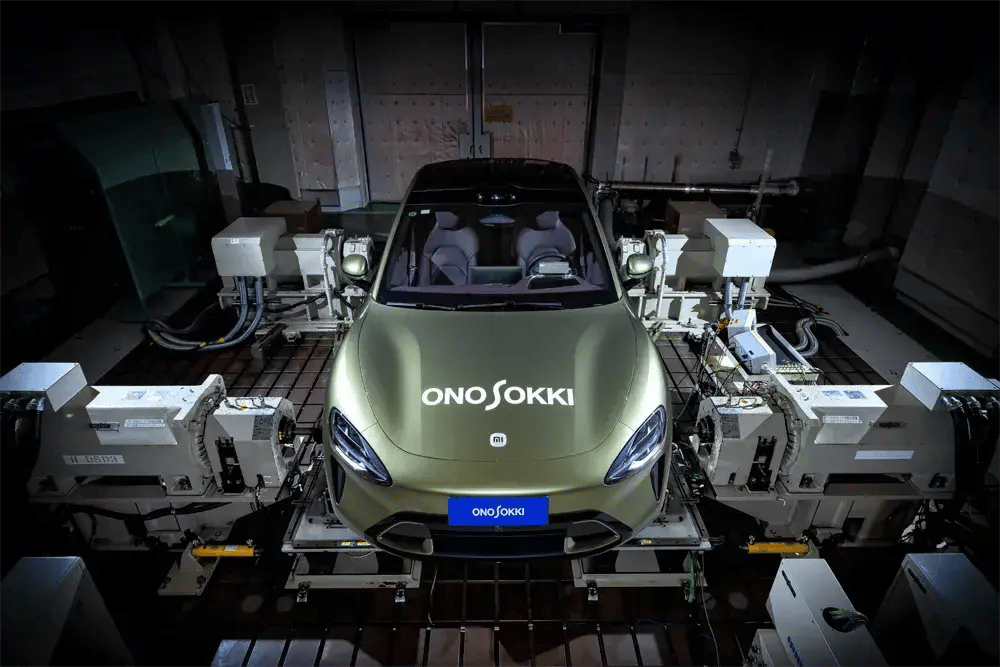
Ono Sokki Co., Ltd. (President and CEO: Yuji Okoshi), a manufacturer and distributor of electronic measuring instruments, will begin selling a new report on "Thermal Management" for the Chinese electric sports sedan "Xiaomi SU7 Max" as part of its new "Benchmarking Report Sales" business, starting May 20, 2026 (Wednesday).

  • Added "Thermal Management" to benchmarking report sales

Since 2023, we have been selling "benchmarking reports" that measure electric vehicles. The "thermal management" report, which is being added to our lineup now, is a report that has been frequently requested by our customers. This report analyzes how heat is controlled. In the future, we plan to expand our report lineup for existing benchmarking vehicle models, and will also gradually add new vehicle models.

Key points of this presentation

  • We have released a "Thermal Management" report to meet customer needs.
  • Exploring the innovative features of the "SU7 Max," equipped with an 871V high-voltage architecture and dual heat pumps.
  • We provide measurement data utilizing our engineering technology.

Target Market

  • Automobile manufacturers and other companies involved in electric vehicles

Regarding the sale of benchmarking reports

Regarding the sale of benchmarking reports

In the increasingly sophisticated and diverse field of automotive development, benchmarking is a crucial source of information. Especially in xEV development, where speed is paramount, there is a strong need to quickly acquire information and utilize it in development. Furthermore, this information need is not limited to automotive manufacturers; it is required by a wide range of companies, including motor suppliers. Our company, committed to providing reports focused on electric vehicles, leverages our unique perspective as a manufacturer of measuring instruments.


Report Details

*Available from May 20, 2026 (Wednesday)

Xiaomi SU7 Max New

This vehicle is a BEV super sports sedan that uses refrigerant for the interior air conditioning and coolant for temperature control of the high-voltage battery and inverter motor, with a system that partially exchanges heat between them. In this report, we will use an environmental chassis dynamometer and a soak chamber to analyze the power efficiency due to the high voltage, the control of the dual heat pumps, and the switching of flow paths by the coolant control unit (8-way valve and 3-way valve). Furthermore, we will decipher the behavior of the motor cooling system and battery temperature management to get to the bottom of the advanced electrification technology realized by the SU7 Max.

Report contents

Thermal Management

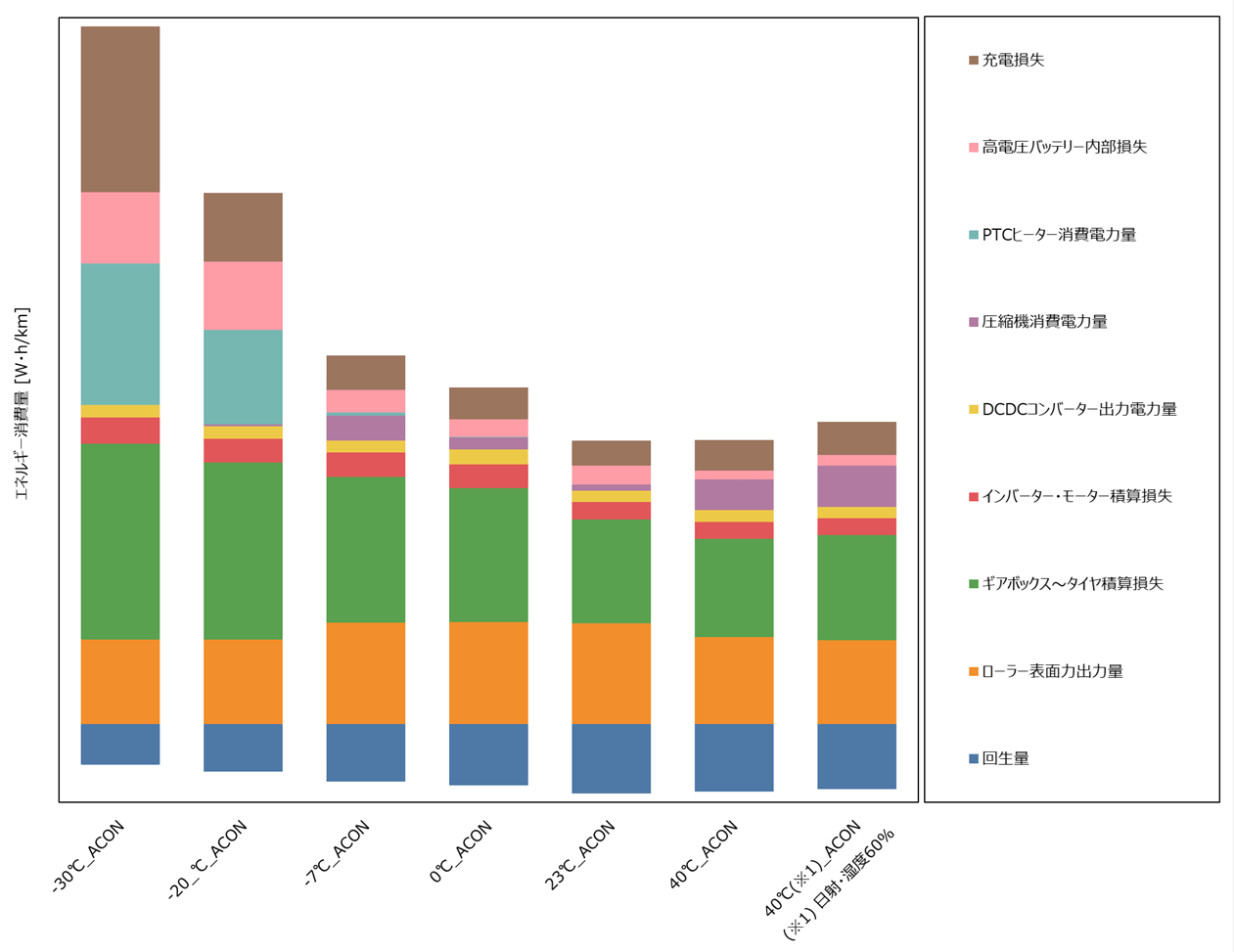
We analyzed the behavior of each component and the amount of heat exchange by changing the ambient temperature (-30°C to 40°C with solar radiation), driving pattern, and air conditioning settings. For the analysis, we measured approximately 350 points, including the temperature of the inlet and outlet of each component, the surface temperature of the refrigerant pipes, and the temperature of the high-voltage battery cell terminals. In addition, we calculated the energy consumption and driving range under WLTC mode driving and performed a loss decomposition of each element.

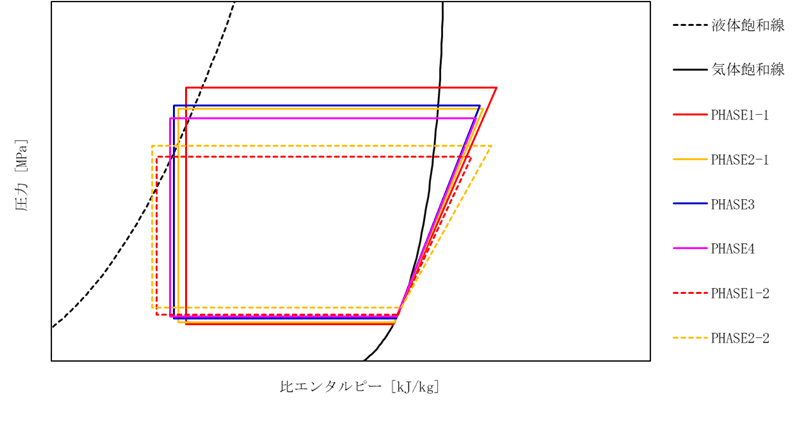
  • Mollier diagram transitions in WLTC mode
    Mollier diagram transitions in WLTC mode
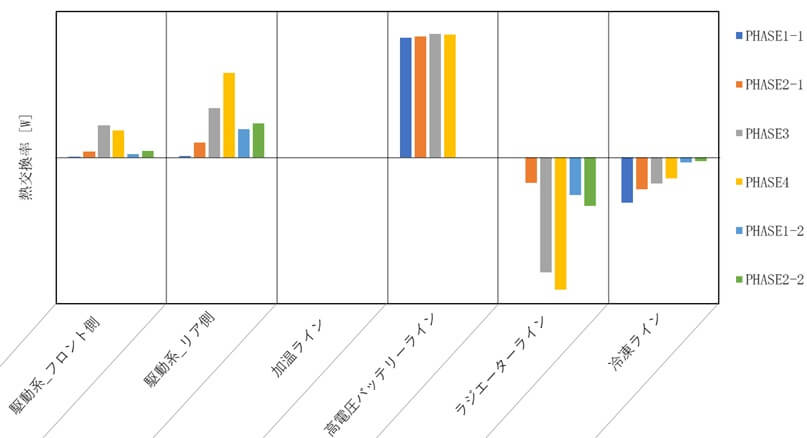
  • Cooling water heat exchange rate graph for each unit
    Cooling water heat exchange rate graph for each unit
  • Loss decomposition graph in WLTC mode
    Loss decomposition graph in WLTC mode

Xiaomi SU7 Max Release Report

  • Vehicle NVH/Road Noise Transmission Path Analysis (TPA)
    We conducted NVH measurements (cabin noise, power unit noise and vibration, suspension vibration, etc.) and analysis during actual driving conditions. For road noise, we calculated the contribution, input, and body acoustic sensitivity of each body input point using Transduction Path Analysis (TPA).
  • Driving resistance
    In accordance with GTR No.15 Amendment 6, we calculated the driving resistance from the coasting time measured on the test course. This data can be used as load data for performing mode-based energy consumption and real-world driving simulations on a test bench.
  • Tire rolling resistance
    Based on JIS D 4234, we measured the rolling resistance and rolling resistance coefficient of the original equipment tires.

The information on this page is based on the information available at the time of publication.
Please note that if product sales are discontinued, organizational changes are made, or specifications are changed after publication, the information may differ from the latest information.

This page is created by an automatic translation system based on the information in the Japanese version. Details