Skip to content

Select your region & language

Global

Region

Multi-stage injection volume measurement system
FJ-8000シリーズ
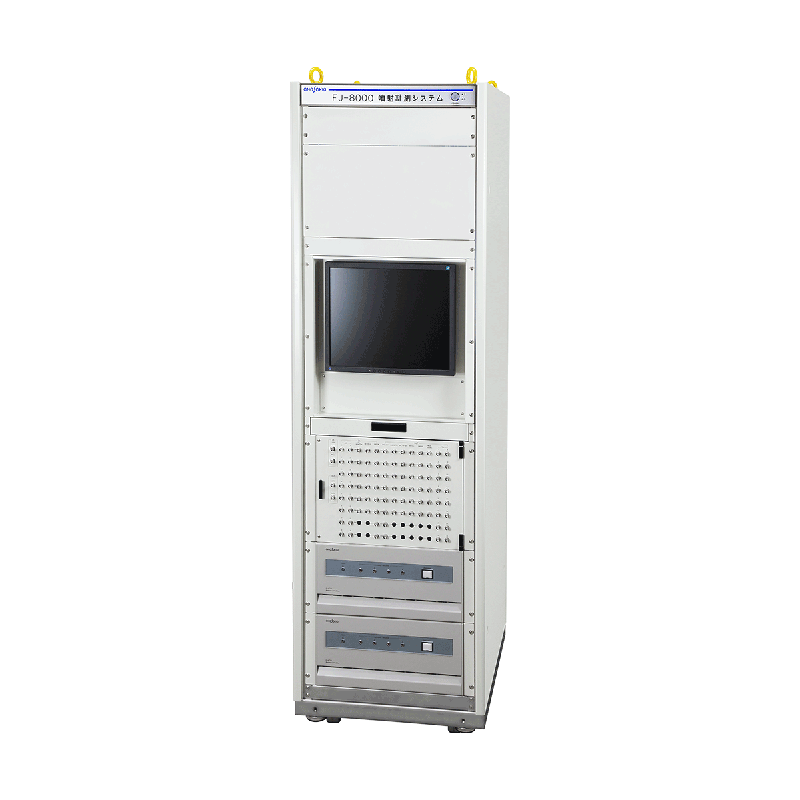
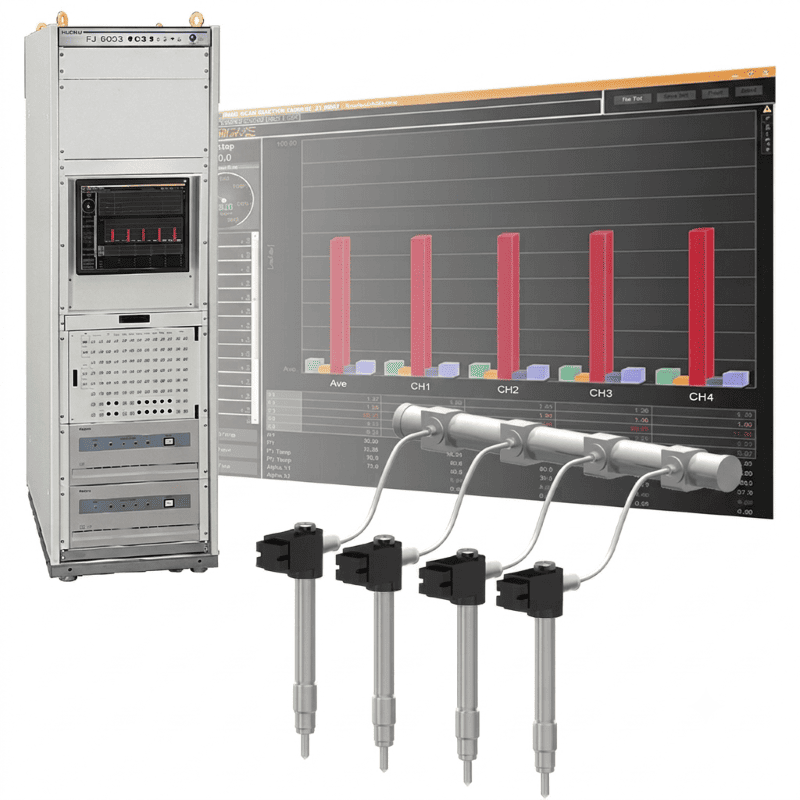
Reducing NOx and PM emissions, improving fuel efficiency, and minimizing vibration and noise – by visualizing the injection state of common rail systems, we can develop engines with reduced environmental impact.

The FJ-8000 series is a multi-stage injection quantity measurement system that can measure injection quantity, injection rate, injection timing, and injection duration in a common rail system under injection conditions close to those of a real vehicle. By further improving injection accuracy and approaching complete combustion, it is possible to suppress PM and NOx emissions, improve fuel efficiency, and reduce vibration and noise.

Features

  • High-precision multi-stage injection volume measurement (±0.25% of reading) *When using the high-precision version

  • Simultaneous measurement of injection volume and injection rate up to 15 levels.

  • Distortion-free injection rate waveform output using a digital filter (when using FJ-0600)

  • The FJ-030 and FJ-0600, which use different detection principles, can be used simultaneously.

  • Wide measurement range (0 to 400 mm³/str)

  • Continuous measurement with each injection (1 to 50 Hz [60 to 3000 r/min])

  • Up to 8 detectors can be connected.

  • Data memory for 50,000 consecutive cycles

Injection volume detection unit

Achieves injection measurement that closely resembles actual vehicle conditions.

  • Example of a 6-cylinder layout (supports up to 8 cylinders)
    Example of a 6-cylinder layout (supports up to 8 cylinders)

High-precision injection timing analysis using high-speed sampling

High-speed sampling (injector drive signal: 1 MHz, pressure signal: 200 kHz) allows for highly accurate analysis of injection timing, including the interval until the next injection and the injection start/end delay time.

  • High-precision injection timing analysis using high-speed sampling

Real-time data display

Real-time data display No. 1

1. Bar graph
The amount of fuel injected for each cylinder and injection stage is displayed as a bar graph.

Real-time data display No. 2

2. Injection Rate Monitor
Displays injection rate, pressure, and external input signals (injection commands, etc.) for one channel simultaneously. Supports overlaying with saved data.

Real-time data display No. 3

3. Trend graph
Up to 8 types of data, with 3000 cycles, are displayed in a trend format.

4. Dual Monitors
Display trend graphs and bar graphs simultaneously.

5. Numerical Monitor
The system displays numerical values for each cylinder, including injection volume, injection duration, and temperature inside the detector.

Data analysis

TQ-Q diagram (Injection command value - Injection amount diagram)

The horizontal axis represents the injection command, and the vertical axis represents the injection volume, showing the change in injection volume in response to the injection command.

  • TQ-Q diagram (Injection command value - Injection amount diagram)

Injection rate graph

The pressure waveform, injection rate waveform, and any waveform for one channel are displayed for each cycle.

  • Injection rate graph

TQ diagram (Horizontal axis: Cycle, Vertical axis: Injection volume)

Displays the variation in injection volume for each cylinder over the cycle.

NQ diagram (horizontal axis: rotational speed, vertical axis: injection volume)

This displays the change in the amount of fuel injected into each cylinder based on the pump rotation speed.

histogram

Displays the distribution of injection volume for each set number of injections.

Statistical data

Displays the average value, standard deviation, maximum/minimum values, etc., for injection volume, injection duration, and detector temperature.

Data List

Data such as injection volume, injection duration, and detector temperature for each cycle are displayed in a table format.

System Configurations

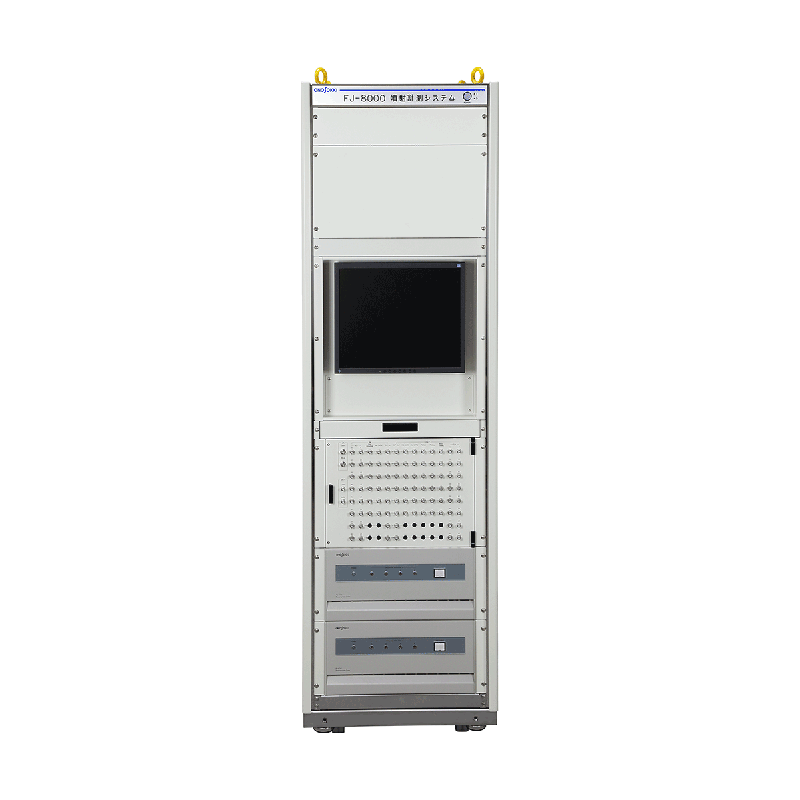
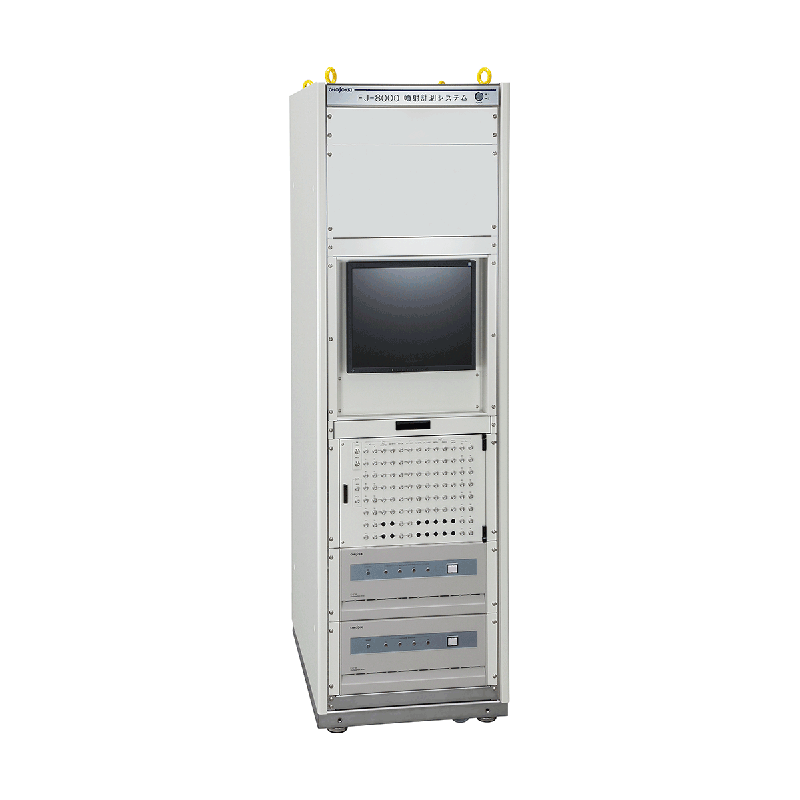
  • System Configurations